
The most common mistake people make when planning East Africa is treating it as a single destination with interchangeable parts. Kenya or Tanzania. Safari or gorillas. One trip or the other.
This thinking costs travellers some of the most extraordinary experiences the continent offers.
East Africa is not one trip. It is three distinct worlds that happen to share a border. Understanding the difference, and knowing when each reveals its best, is what separates a good safari from a journey that genuinely changes how you see the world.
Kenya and Tanzania Are Not the Same Safari
The Great Migration crosses both countries, which leads most people to assume that Kenya and Tanzania deliver broadly similar experiences. They do not.
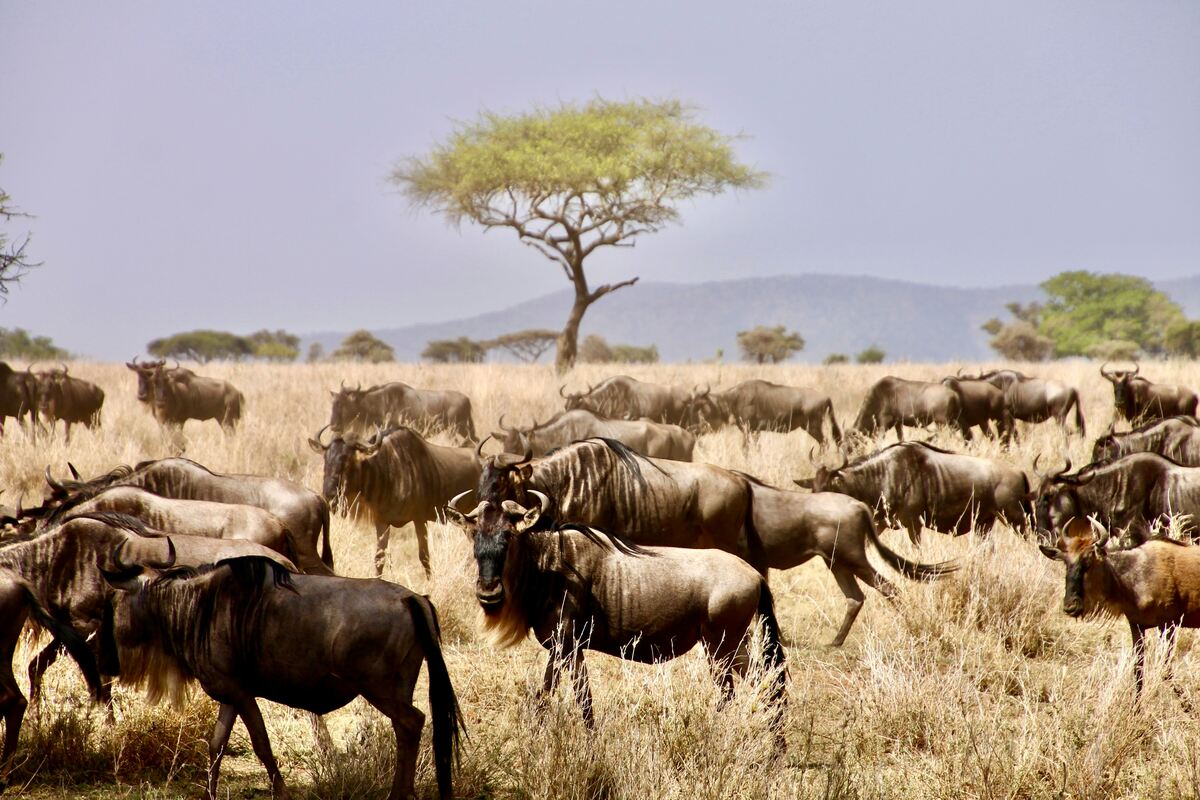
Tanzania's Serengeti operates on a different rhythm to Kenya's Maasai Mara. The calving season in the southern Serengeti between January and March is one of wildlife's great spectacles. Hundreds of thousands of wildebeest calves born within weeks of each other, predators at their most active, and a landscape that looks nothing like the classic migration imagery most people associate with East Africa.
The Mara's October window is misunderstood. Once the river crossings slow, most people assume the season is winding down. It is not. As the herds thin and spread across the plains, predator activity intensifies. Lions, cheetah and leopard move through open grassland with purpose. The vehicles disappear. The space returns. October in the Mara produces some of the finest game viewing of the entire year for those who understand what they are looking at.
The camps on either side of the border are philosophically different. Tanzania's private concessions within and around the Serengeti offer exclusivity that the Mara's more accessible ecosystem cannot always match. Kenya's conservancies adjacent to the Mara offer intimate experiences outside the national reserve boundaries. Neither is superior. They serve different purposes and reward different priorities.
Rwanda Is Not an Add-On
Rwanda is consistently positioned as an optional extension to a Kenya or Tanzania safari, something to bolt on if time permits. This framing misses the point entirely.
A mountain gorilla encounter is not comparable to any safari experience. It occupies an entirely different register. Trekking into Volcanoes National Park, moving through dense forest, and spending time with a habituated gorilla family is one of a small number of wildlife encounters that genuinely changes your perspective on the natural world. Travellers who have done both consistently describe them as incomparable, not because one is better, but because they deliver something completely different.
October is one of Rwanda's drier months, making it one of the more reliable windows for forest conditions and trekking consistency. Combining an October Maasai Mara visit with Rwanda creates an East Africa itinerary that covers two entirely different ecosystems, two entirely different wildlife experiences, and two entirely different emotional registers within a single journey.
Rwanda is not the final chapter of an East Africa itinerary. For many travellers, it is the one they remember most.
Permits are the critical planning consideration. Rwanda's gorilla trekking permits are limited and book significantly ahead of the travel date. This is not a logistical detail to address later. It is the first conversation that needs to happen.
The Planning Implications
Understanding East Africa as three distinct worlds rather than one interchangeable destination changes how you approach the planning process fundamentally.
Timing decisions become layered. Kenya and Tanzania operate on different seasonal rhythms even when tracking the same migration. Rwanda's optimal windows align with some East Africa itineraries and require careful consideration with others. Getting the sequencing right matters.
Camp selection requires a clear brief. The difference between the right camp and the wrong camp in East Africa is significant, not in terms of comfort, but in terms of what you are positioned to experience. A camp on the wrong side of the Mara during October, or one without the right access agreements in Tanzania's private concessions, changes what is possible on the ground.
Lead times are real. Rwanda's gorilla permits book out. The best camps in both Kenya and Tanzania fill well ahead of peak windows. October, despite being misunderstood by the broader market, fills quickly amongst those who do understand it.
East Africa rewards those who approach it with genuine knowledge of what each part of the ecosystem offers and when. The travellers who leave with the most extraordinary experiences are not those who spent the most. They are those who planned with the most clarity.
Which part of East Africa are you planning for, and how far ahead are you thinking about it?