
The 2026-27 Antarctic season opens in October. December and January departures are already filling. The cabin categories that deliver the best experience on the water, suites and single-supplement-free cabins, are the first to go. If you are thinking about Antarctica and have not started planning, you are behind the season.
This is not a guide to Antarctica. Assume you already know it is extraordinary. The value here is in what most people do not know about how to plan it properly, and why the difference between a considered expedition and a booked cruise is significant.
The Booking Window Is Real
Antarctic operators publish rates and availability up to two years in advance. The travellers who end up on the right ship, in the right cabin, during the right window of the season are the ones who made decisions early, not last minute.
The 2026-27 season is not closed, but it is narrowing. December and January departures, the most popular window for wildlife activity and conditions, are filling fastest. The Christmas and New Year period books out furthest ahead of all. Those who have missed the ideal departure for this cycle should be looking at 2027-28 now. Rates are already published. The best options are available.
The travellers who experience Antarctica at its best are rarely those who planned it most recently. They are those who started earliest.
Ship Selection Is an Experience Decision
This is the most consequential planning decision most people underestimate. Ship size is not a comfort consideration. It determines where you can land, how many passengers go ashore at any one time, and which parts of the continent are accessible to you at all.
IAATO regulations limit shore landings to 100 passengers at a time. Smaller expedition vessels carry fewer passengers, meaning more time ashore per person, less waiting, and access to sites that larger ships simply cannot use. A ship carrying 200 passengers operates differently to one carrying 80, not just logistically, but in terms of what the experience actually delivers.
Vessel philosophy matters as much as vessel size. The quality and depth of the expedition team, the onboard lecture programme, the approach to Zodiac operations, and the ship's history in Antarctic waters all shape what you take away. These are not details to assess after booking. They are the brief.
The Season Has Three Distinct Characters
Most people think of the Antarctic season as a single window. It is not. The season runs from October to March and each part of it delivers something genuinely different.
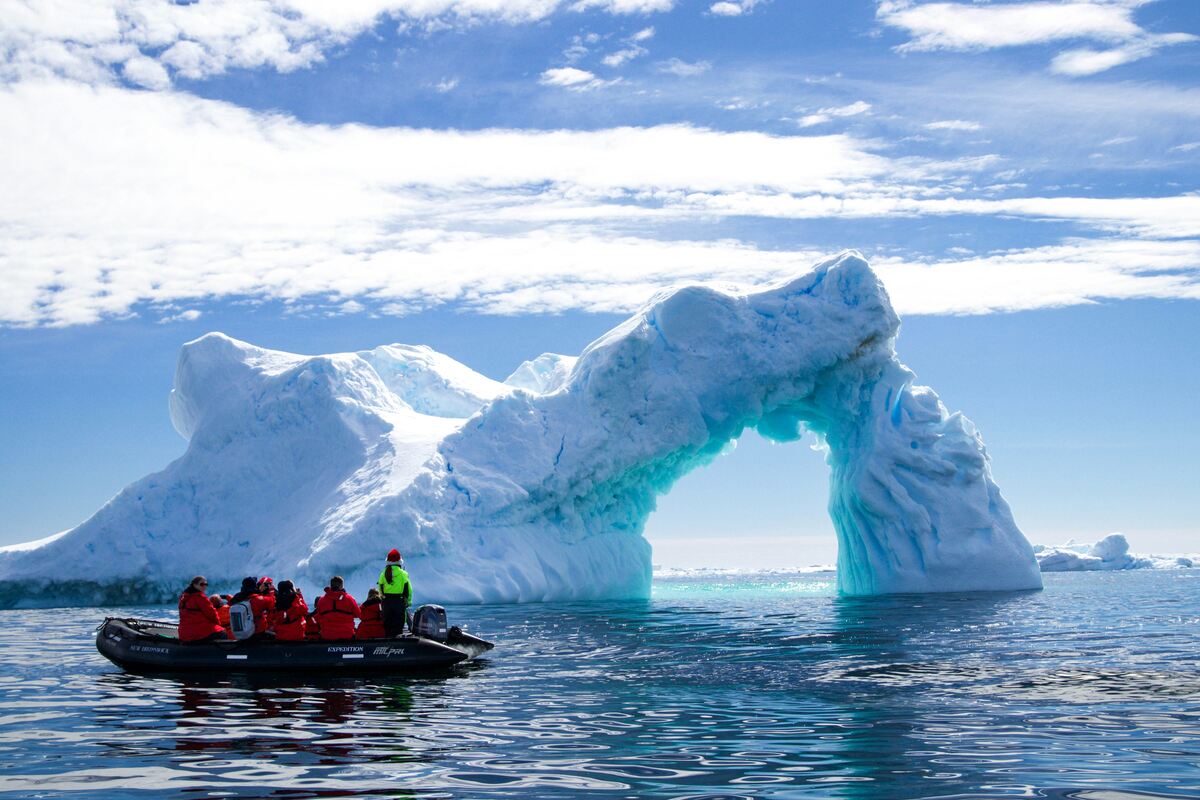
Early season (October to November) offers pristine ice formations, dramatic landscapes, and wildlife in courtship. The continent feels untouched. Penguin colonies are establishing. The light is extraordinary. It is the least visited part of the season and amongst the most remarkable.
Mid-season (December to January) is peak wildlife activity. Penguin chicks are hatching. Whale activity increases. Conditions are at their most accessible. This is the most popular window, the most requested, and the fastest to fill. It is also the most expensive.
Late season (February to March) delivers something different again. Whale sightings are at their most consistent. The light turns golden. Availability improves and value strengthens. The crowds that characterise January are largely gone. For those whose itinerary allows flexibility, late season is significantly underrated.
Choosing when within the season to travel is a decision as important as choosing to go. Each window has a genuinely different character and rewards different priorities.
Drake Passage or Fly-In
This is a real planning decision, not simply a comfort choice. Flying into King George Island and joining the ship there saves approximately two days each way across the Drake Passage. It reduces time at sea, minimises seasickness exposure, and maximises time on the Peninsula itself.
The Drake Passage is also part of the expedition. For many travellers, crossing the world's most storied stretch of water is an integral part of what Antarctica means as a journey. Albatross following the ship. The sense of remoteness building with every nautical mile. Arriving by sea changes the register of arrival in a way flying cannot replicate.
The right answer depends on how much time you have, what the journey itself means to you, and what the cost differential looks like across a complete itinerary. It is a conversation worth having before a booking is made.
North or South: Two Routes, Two Different Expeditions
The Antarctic Peninsula is the southern route and the destination most people have in mind. The scale of the ice, the density of wildlife, the sheer weight of the landscape. It earns its reputation entirely and consistently delivers the expedition experience people have spent years imagining.
The northern route, taking in South Georgia and often the Falkland Islands, is the one most expeditions skip. When time is limited, the continent wins. That is an understandable trade-off. It is also how most travellers miss one of the great wildlife destinations on earth. South Georgia's king penguin colonies, elephant seal beaches, and albatross nesting grounds occupy a completely different scale to anything on the Peninsula. For those with the time to plan beyond the obvious, it changes what an Antarctic expedition becomes.
An Antarctic expedition asks more of the planning process than almost any other journey. The booking window is longer. The variables are more consequential. The decisions that determine what you experience on the ice are made months or years before you board.
Understanding the seasonal variation, selecting the right vessel, knowing what the northern and southern routes each deliver and what each sacrifices, deciding whether the Drake Passage crossing is part of the journey or a constraint to work around — none of these are details. They are the architecture of the expedition itself.
The travellers who leave Antarctica having experienced something genuinely transformative are not those who spent the most. They are those who approached the planning with the same seriousness the destination deserves. That process starts earlier than most people expect, and it starts with the right questions before any booking is made.